Knowledge hub
In the news today: what happens at home does not stay at home
Research by MKB-Nederland and ArboNed shows that personal circumstances play a major role in sick leave. What does that mean for employers?
Today, Dutch news radio BNR discussed research by MKB-Nederland and ArboNed into sick leave and the influence of personal circumstances. The finding is striking: in many cases of sick leave, problems at home play a significant role. And in truth, that makes perfect sense.
Absence often does not start at work
When we talk about sick leave, we usually talk about workload, work stress and conditions on the shop floor. But much of what eventually becomes visible at work does not start at work at all.
Informal care.
Money worries.
A relationship breaking down.
A sick child.
Grief.
Problems within the family.
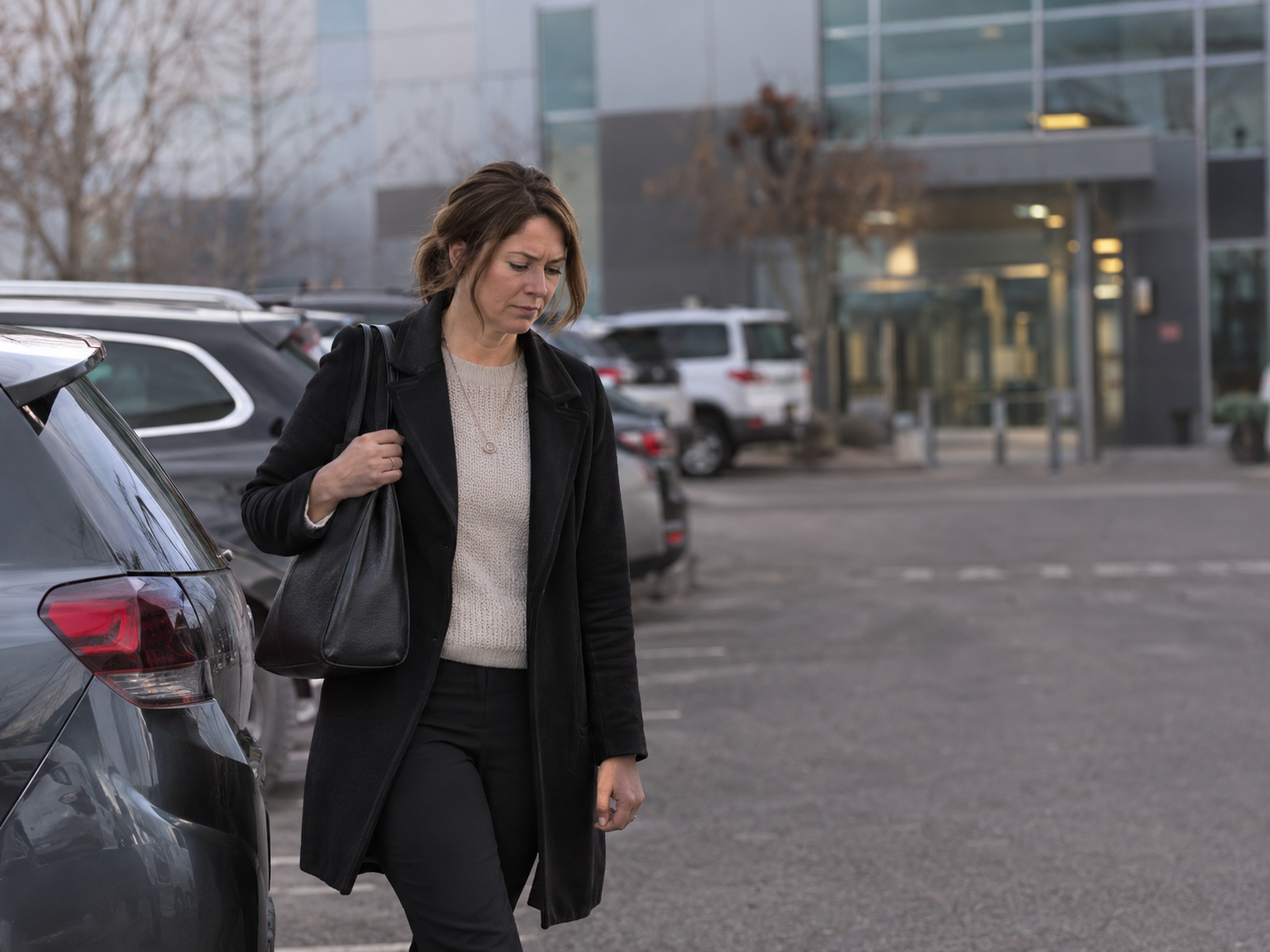
Employees do not leave their private lives in the car park when they walk in each morning. Someone who sleeps badly because their child is struggling, who worries about money or who cares for a family member at home carries that load into work. It affects concentration, recovery, energy and ultimately capacity and absence.
A different question for employers
That changes the question for employers. Not: “Why should I get involved in what happens at home?” But: “What can I do to prevent problems at home from eventually leading to absence at work?”
This does not mean an employer should look behind the front door. It does mean employees need easy access to help — ideally before problems have grown so large that calling in sick feels like the only way out.
Why we look beyond the workplace
That is exactly why, at MentalCareDirect™, we deliberately chose mental support that reaches beyond the workplace. Evidence based prevention, using objective measurement to understand load, recovery and the risk of dropping out. Direct professional help when it is needed. And support for the family.
That way, signals do not have to wait until someone calls in sick. Changes in mental and physical load can be noticed much earlier.
Because mental health does not stop between nine and five.
Mentally healthy; at work and at home.
Source: MKB-Nederland & ArboNed, research into sick leave and personal circumstances, discussed on BNR Nieuwsradio, 10 September 2026.
Keep reading
Prevention · 4 September 2026
Can you measure yourself awake?
When your sleep score matters more than how you feel. On orthosomnia, wearables and the difference between measuring for insight and chasing a perfect number.
Prevention · 1 September 2026
We measure blood pressure and cholesterol. Why not mental load?
HRV and medical-grade ECG provide objective insights into strain and recovery. Not a diagnosis, but a starting point for an earlier conversation.